Ashwagandha vs Rhodiola: What to Choose and for Whom
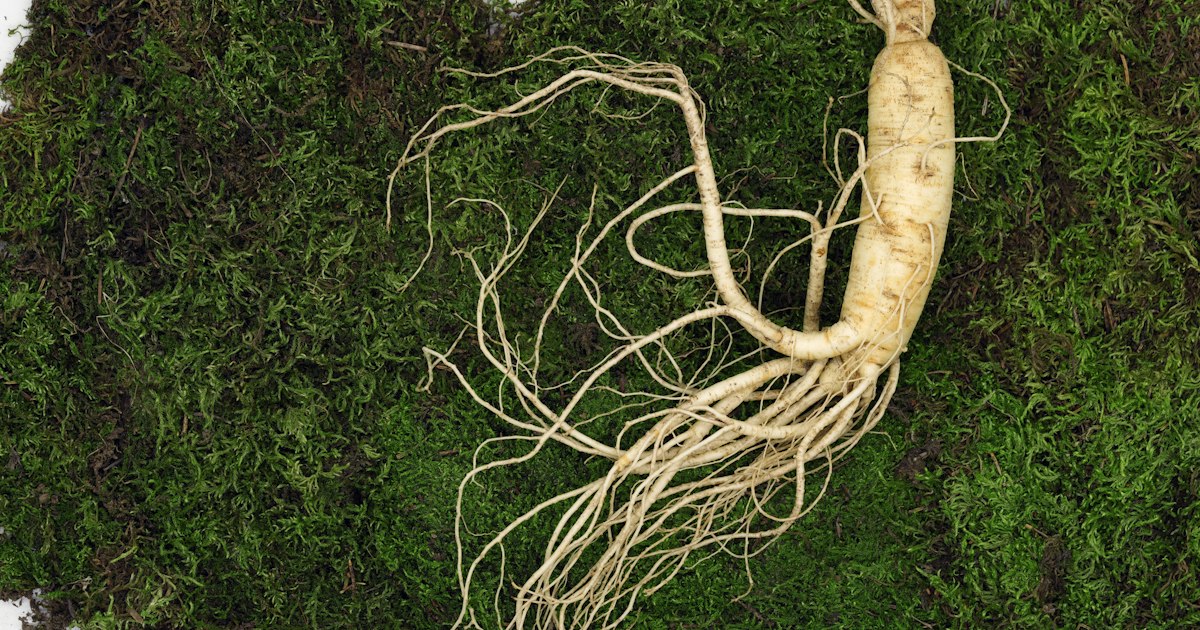
When ashwagandha and rhodiola are on the shelf, the choice is often made at random. Meanwhile, these adaptogens suit different people and different situations. The editorial team gathered practical selection criteria based on clinical studies and the safety profile.
Where to begin the choice
The question "ashwagandha or rhodiola" makes sense only when it is clear which problem a person wants to solve. Both plants are adaptogens, but they work in different "registers": ashwagandha more often helps to dampen excessive arousal, rhodiola — to support energy when the resource is depleted. So the starting point is an honest answer to the question of what exactly is the obstacle: anxiety or exhaustion.
The second question is the time of day and the schedule. If a person finds it hard to fall asleep after an evening workout, it is more logical to look toward ashwagandha. But if you need to get through an intense working day or exam period without "crashing" into fatigue after lunch, rhodiola performed better in studies.
The third is the state of health and medications. Some limitations make the choice obvious even before analyzing efficacy: for example, thyroid or liver disease argues against ashwagandha, while a tendency toward anxious states with insomnia argues against stimulating rhodiola.
Finally, it is worth remembering about expectations. Adaptogens do not replace sleep, nutrition, and sensible load planning. Their effect in studies is moderate, and a supplement makes sense only when the basic factors are already in order.
Whom ashwagandha suits more
Ashwagandha is a logical choice for people in whom stress manifests as tension, anxiety, and poor sleep. It is precisely for these indicators that it has the most randomized placebo-controlled studies, in particular the works of Chandrasekhar (2012) and Lopresti (2019), where scores on stress scales and cortisol levels decreased.
For those who do strength training, the data of Wankhede et al. (2015) are interesting: in beginners who took root extract for eight weeks, the gain in strength and muscle volume was greater than in the placebo group. In middle-aged overweight men, Lopresti et al. recorded a moderate increase in testosterone, although the clinical significance of this effect is limited.
Ashwagandha will also suit those who are ready for a gradual effect: in most studies the result was assessed after 6–8 weeks of daily intake. Studies most often used 300 mg of root extract twice a day or 600 mg per day.
- chronic psycho-emotional stress and anxiety;
- problems falling asleep against the background of tension;
- strength training during a period of high load;
- absence of thyroid and liver disease.
Whom rhodiola suits more
Rhodiola is an option for those whose main complaint is fatigue, decreased concentration, and a feeling of "drained batteries" during a period of prolonged load. Classic studies of the SHR-5 extract were conducted precisely under such conditions: in physicians on night shifts (Darbinyan, 2000) and in people with stress-associated fatigue (Olsson, 2009).
Rhodiola is often chosen by students during exams, people with an intense work schedule, and also endurance-discipline athletes during periods of high-volume training. Data on physical endurance are contradictory, so one should not count on a gain in results, but it can reduce the subjective feeling of fatigue.
In studies with standardized extracts, doses ranged from about 170 mg to 600 mg per day. Rhodiola is traditionally taken in the first half of the day so as not to disturb sleep, and often in courses with breaks.
Rhodiola is less appropriate for people with a tendency toward anxiety, insomnia, or heightened excitability, and also for those who already consume a lot of caffeine: the tonic effects can add up.
A comparison table for choosing
To bring the above together, the editorial team compiled a table of typical scenarios. It is not a medical recommendation but only reflects the conditions under which the most convincing results in studies were obtained for each plant.
| Situation | Ashwagandha | Rhodiola |
|---|---|---|
| Anxiety, tension | Better choice | May intensify |
| Mental fatigue during the day | Moderate | Better choice |
| Poor falling asleep | Better choice | Not in the evening |
| Strength training block | There are data | Little data |
| Thyroid disease | Only with a doctor | With a doctor |
| Speed of a noticeable effect | Weeks | Days |
As the table shows, the plants complement rather than compete with each other. That is exactly why there are combined products on the market. However, combining two adaptogens makes it harder to assess what exactly is acting and what causes side effects.
If you are trying adaptogens for the first time, it is wiser to start with one plant, assess the result over several weeks, and only then think about a combination.
Safety and product quality
When choosing between the two plants, safety often weighs more than efficacy. For ashwagandha, rare but serious cases of liver injury are described (Björnsson et al., 2020), as well as an effect on thyroid hormones. It is contraindicated in pregnant women, and people with autoimmune diseases should discuss its use with a doctor.
Rhodiola less often causes serious reactions, but it can cause insomnia, irritability, and interact with antidepressants. The EMA does not recommend it for children, pregnant women, and breastfeeding women due to a lack of data.
Product quality is a separate topic. On the market there are "rhodiolas" from other plant species without rosavins and ashwagandhas with a negligible content of withanolides. Look on the label for the name of the standardized extract and the percentage of marker compounds, as well as certificates from independent laboratories.
Athletes undergoing doping control should choose products verified by programs such as Informed Sport, since contamination of supplements with prohibited substances is a documented problem (Geyer et al., 2008).
Editorial conclusions
Ashwagandha is the choice for those who want to reduce stress and anxiety levels, improve sleep, and possibly slightly enhance training adaptations. Rhodiola is for those who need support for energy and concentration during periods of exhaustion.
The final decision depends on symptoms, schedule, state of health, and the medications a person takes. In the presence of chronic diseases, the choice should be made together with a doctor.
Any adaptogen is a supplement to sleep, nutrition, and sensible load planning, not their replacement.
You will find more details about the differences between the plants in the material "Ashwagandha or Rhodiola: What Is the Difference." We also recommend our articles on sleep hygiene for athletes and on cortisol and overtraining.
References
- Chandrasekhar K, Kapoor J, Anishetty S. A prospective, randomized double-blind, placebo-controlled study of safety and efficacy of a high-concentration full-spectrum extract of ashwagandha root in reducing stress and anxiety in adults. Indian J Psychol Med. 2012;34(3):255–262.
- Wankhede S, Langade D, Joshi K, Sinha SR, Bhattacharyya S. Examining the effect of Withania somnifera supplementation on muscle strength and recovery: a randomized controlled trial. J Int Soc Sports Nutr. 2015;12:43.
- Lopresti AL, Drummond PD, Smith SJ. A randomized, double-blind, placebo-controlled, crossover study examining the hormonal and vitality effects of ashwagandha (Withania somnifera) in aging, overweight males. Am J Mens Health. 2019;13(2):1557988319835985.
- Darbinyan V, Kteyan A, Panossian A, et al. Rhodiola rosea in stress induced fatigue — a double blind cross-over study of a standardized extract SHR-5 with a repeated low-dose regimen on the mental performance of healthy physicians during night duty. Phytomedicine. 2000;7(5):365–371.
- Olsson EM, von Schéele B, Panossian AG. A randomised, double-blind, placebo-controlled, parallel-group study of the standardised extract SHR-5 of the roots of Rhodiola rosea in the treatment of subjects with stress-related fatigue. Planta Med. 2009;75(2):105–112.
- Björnsson HK, Björnsson ES, Avula B, et al. Ashwagandha-induced liver injury: a case series from Iceland and the US Drug-Induced Liver Injury Network. Liver Int. 2020;40(4):825–829.
- European Medicines Agency, Committee on Herbal Medicinal Products (HMPC). Community herbal monograph on Rhodiola rosea L., rhizoma et radix. London: EMA; 2012.
- Geyer H, Parr MK, Koehler K, et al. Nutritional supplements cross-contaminated and faked with doping substances. J Mass Spectrom. 2008;43(7):892–902.
Andriy Melnyk
A strength-sports coach and author of programs for beginner and intermediate levels. Writes about training planning.